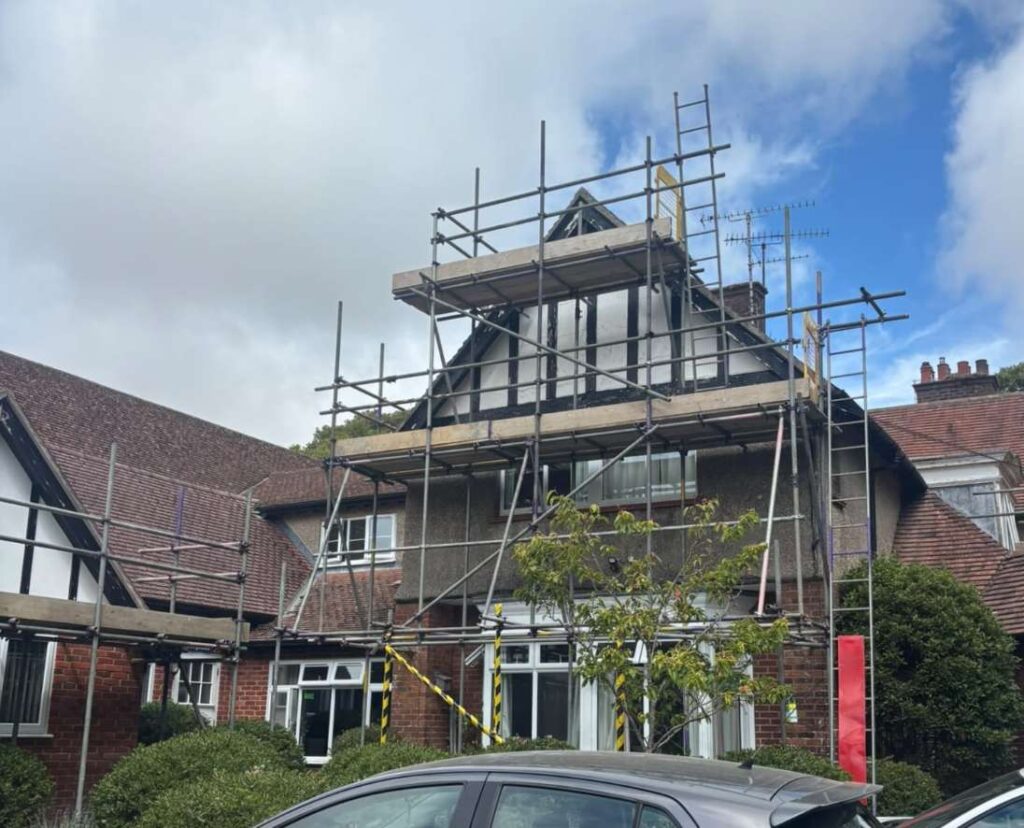
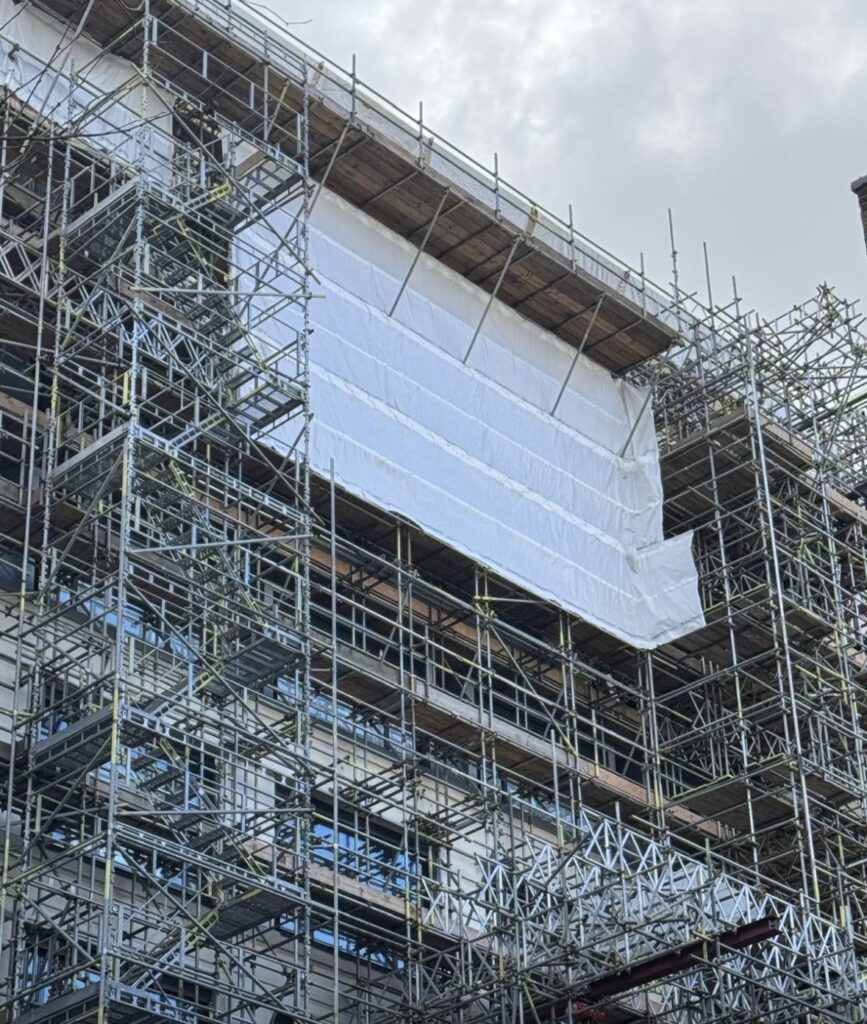
Scaffold boards are a familiar sight on UK building sites, but not all boards are made the same. Most traditional scaffold boards are made from strong, graded softwood such as European whitewood, usually spruce, because it offers the right mix of strength, weight, flexibility, and cost.
Scaffold boards might look like simple planks of timber, but on a construction site, they’re doing a serious job. They support workers, tools, materials, and movement at height, so the wood used has to be strong, reliable, and fit for purpose.
So, what wood are scaffold boards made from? In the UK, traditional timber scaffold boards are usually made from softwood, most commonly European whitewood, which often comes from spruce species such as Norway spruce. Other suitable softwoods, including pine and fir, may also be used, provided the timber meets the required grading and performance standards.
That said, the type of wood is only part of the story. For construction work, scaffold boards must be properly graded, manufactured, inspected, and used correctly. A board made from the right timber can still be unsafe if it’s damaged, rotten, overloaded, or used in the wrong way.
What Wood Are Scaffold Boards Made From in the UK?
In the UK, standard timber scaffold boards are generally made from construction-grade softwood. The most common timber used includes:
- European whitewood
- Spruce, especially Norway spruce
- Pine
- Fir
- Other graded softwoods suitable for scaffold board production
European whitewood is especially common because it is widely available, relatively lightweight, easy to work with, and strong enough when properly graded.
Unlike hardwoods, softwoods grow faster and are more economical for large-scale construction use. They also offer a good strength-to-weight ratio, which matters a lot on scaffolding. After all, scaffolders need boards that are strong enough to work on but not so heavy that handling them becomes unsafe or inefficient.
Why Is Softwood Used for Scaffold Boards?
Softwood is used for scaffold boards because it offers a practical balance of strength, flexibility, weight, and cost. On a busy construction site, every one of these factors matters.
A scaffold board needs to be strong enough to span between scaffold supports without excessive bending. At the same time, it must have a bit of natural flexibility. Timber that is too brittle could crack suddenly under stress, which is the last thing anyone wants at height.
The main benefits of softwood scaffold boards include:
- Good strength when properly graded
- Lower weight compared with many hardwoods
- Easier handling on site
- Lower cost than hardwood alternatives
- Suitable flexibility under load
- Availability in long, consistent lengths
- Easier manufacturing and machining
In plain English, softwood does the job well without making the board too heavy, too expensive, or too difficult to handle.
Are Scaffold Boards Made From Hardwood?
Traditional scaffold boards are not usually made from hardwood. While hardwoods can be very strong, they are not the typical choice for scaffold boards used in UK construction.
Hardwood is generally heavier, more expensive, and often less practical for scaffold board production. A heavier board can increase manual handling risks, slow down scaffold erection, and make everyday site work harder than it needs to be.
That doesn’t mean hardwood is weak. Far from it. But scaffold boards are not chosen based on strength alone. They need to be safe, predictable, affordable, easy to inspect, and practical for repeated site use.
What Is European Whitewood?
European whitewood is a general trade name often used for softwood timber from spruce trees, especially Norway spruce. It is pale in colour, relatively straight-grained, and commonly used in construction.
It’s widely used for scaffold boards because it can be graded effectively and cut into long, stable lengths. When dried and prepared correctly, it provides dependable performance for scaffold platforms.
European whitewood is also used in general construction, structural timber, packaging, and joinery. For scaffold boards, though, the key point is that the timber must be selected and graded for the job. You can’t just take any plank of spruce and call it a scaffold board.
What Does BS 2482 Mean for Scaffold Boards?
In the UK, timber scaffold boards are commonly associated with BS 2482, the British Standard for timber scaffold boards.
BS 2482 sets out requirements relating to things such as:
- Board dimensions
- Timber quality
- Grading
- Moisture content
- Permitted defects
- Support spans
- Identification markings
- End protection
A BS 2482 scaffold board is manufactured and graded specifically for scaffold use. These boards are usually marked so users can identify important information such as the standard, supplier, grading method, and support span.
This matters because a scaffold board is not just a piece of timber. It is part of a working platform, and that platform must be safe for people to stand, walk, and work on.
Common Sizes of UK Scaffold Boards
Traditional UK scaffold boards are commonly supplied in a standard width and thickness, with different lengths available depending on the job.
| Board Feature | Typical UK Measurement |
|---|---|
| Width | 225 mm |
| Thickness | 38 mm |
| Length | Various lengths, often up to around 3.9 metres |
The length used depends on the scaffold design and the required span between supports. Longer boards are not automatically better. In fact, if a board is not supported correctly, it can bend too much or become unsafe.
Why Do Scaffold Boards Have Metal End Bands?
Many timber scaffold boards have metal bands fixed around the ends. These are not just there for decoration. They help reduce splitting and damage at the ends of the board.
The ends of a scaffold board can take a real beating on site. Boards are moved, stacked, loaded, knocked, and exposed to all sorts of weather. Without protection, the ends may split more easily, which can reduce the useful life of the board and affect safety.
Site safety note:
A metal band does not make a damaged board safe. If the board is cracked, rotten, badly warped, or weakened, it should be taken out of service.
Are Scaffold Boards Treated Timber?
Some scaffold boards may be treated, but not all are pressure-treated in the same way as garden sleepers or outdoor decking timber.
Treatment depends on the manufacturer, intended use, and specification. For construction use, the most important issue is not whether the board looks treated, but whether it is suitable, graded, and safe for scaffold use.
Timber scaffold boards are exposed to rain, mud, impact, and rough handling. Because of that, they need regular inspection. Water damage, fungal decay, and rot can make a board unsafe, even if it originally met the right standard.
Graded vs Ungraded Scaffold Boards
You may see scaffold boards sold as “new,” “used,” “reclaimed,” “untreated,” “graded,” or “ungraded.” For construction purposes, this distinction is critical.
Graded scaffold boards
Graded scaffold boards have been assessed for strength and suitability. In the UK, scaffold boards used for access platforms should be properly graded and fit for purpose.
Ungraded scaffold boards
Ungraded boards may look similar, but they should not be assumed safe for scaffold use. They may be suitable for landscaping, shelving, furniture, or decorative projects.
In construction, looks can be misleading. A clean, straight board is not automatically safe. Internal defects, poor grading, knots, splits, and moisture issues can all affect strength.
Why Timber Quality Matters on Site
The quality of timber used in scaffold boards directly affects site safety. A board may fail because of poor timber selection, overloading, damage, decay, or incorrect support.
Common timber defects that can affect scaffold boards include:
- Large knots
- Splits
- Checks
- Wane
- Warping
- Rot
- Excessive moisture
- Fungal attack
- Mechanical damage
- Deep cuts or notches
Small imperfections are normal in timber, but certain defects can weaken the board. That’s why scaffold boards need to be inspected before use and during use.
How Long Do Timber Scaffold Boards Last?
The lifespan of a timber scaffold board depends on how it is used, stored, handled, and maintained.
A well-made scaffold board can last a good while, but construction sites are tough environments. Boards are exposed to wet weather, heavy loads, impact, dirt, and constant movement. Poor storage can shorten their lifespan quickly.
To help scaffold boards last longer, they should be:
- Stored off the ground
- Kept well ventilated
- Stacked properly
- Protected from long-term standing water
- Inspected regularly
- Removed from service when damaged
Are Reclaimed Scaffold Boards Safe for Construction?
Reclaimed scaffold boards are popular for furniture, shelving, garden projects, and rustic interiors. They can look fantastic, especially with their worn edges and weathered finish.
However, reclaimed boards should not automatically be reused for construction scaffolding. Once a scaffold board has had a hard life on site, it may have hidden damage, splits, weakened areas, or decay. Unless it has been properly inspected and confirmed fit for scaffold use, it should not be used as a working platform.
Timber Scaffold Boards vs Other Types of Scaffold Boards
Although timber scaffold boards are common, they are not the only option. Modern scaffolding may also use boards made from other materials.
Laminated veneer lumber
LVL is made from thin layers of wood bonded together. It can offer consistent strength and reduced variation compared with natural solid timber.
Aluminium scaffold boards
Aluminium boards are lightweight, durable, and resistant to rot. They are often used in system scaffolding and mobile access towers.
Steel scaffold boards
Steel boards are strong and durable, though heavier than aluminium. They are often used where heavy-duty performance is needed.
Composite scaffold boards
Composite boards may be made from mixed materials designed to resist moisture, rot, and wear.
Practical Buying Advice for UK Contractors
When buying timber scaffold boards for construction use, don’t focus only on price. Cheap boards can become expensive very quickly if they are unsuitable, fail inspection, or create safety risks.
Before buying, check:
- Whether the boards meet the required UK scaffold board standard
- Whether they are properly graded
- Whether markings are clear
- Whether they are the right size and support rating for the job
- Whether the supplier is reputable
- Whether the boards are new, used, or reclaimed
- Whether used boards have been inspected properly
For professional work, always buy from a trusted supplier who understands scaffolding requirements.
Key Takeaway: What Wood Are Scaffold Boards Made From?
So, what wood are scaffold boards made from? In the UK, most traditional scaffold boards are made from graded softwood, especially European whitewood, commonly from spruce. Pine, fir, and other suitable softwoods may also be used when they meet the right specification.
The reason is straightforward: softwood provides the right balance of strength, flexibility, weight, availability, and cost. But the timber species alone is not enough. A safe scaffold board must also be properly graded, manufactured, marked, inspected, and maintained.
In construction, the safest board is not simply the one that looks strongest. It’s the one that is proven fit for purpose.
FAQs
What wood are scaffold boards made from?
Most UK timber scaffold boards are made from softwood, usually European whitewood such as spruce. Pine, fir, and other suitable softwoods may also be used when properly graded.
Are scaffold boards made from treated timber?
Some scaffold boards may be treated, but treatment varies. For construction use, the key factor is whether the board is graded, suitable, and safe for scaffold work.
Are scaffold boards hardwood or softwood?
Traditional scaffold boards are usually softwood. Hardwood is not commonly used because it is heavier, more expensive, and less practical for everyday scaffolding.
Can I use ordinary timber as a scaffold board?
No. Ordinary timber should not be used as a scaffold board unless it has been properly graded and approved for scaffold use.
What does BS 2482 mean?
BS 2482 is the British Standard commonly associated with timber scaffold boards in the UK. It sets requirements for board quality, dimensions, grading, moisture content, and identification.
Why do scaffold boards have metal ends?
Metal end bands help reduce splitting and protect the ends of the board from damage during handling and site use.
Final Thoughts
Scaffold boards may seem basic, but the wood behind them matters more than most people realise. For UK construction, the typical choice is graded softwood, especially European whitewood from spruce, because it delivers strength, workability, and practicality at a sensible cost.
Still, the safest approach is simple: don’t judge a scaffold board by looks alone. Check the grading, markings, condition, and suitability before it goes anywhere near a working platform. On site, a sound board is more than timber — it’s part of the safety system.