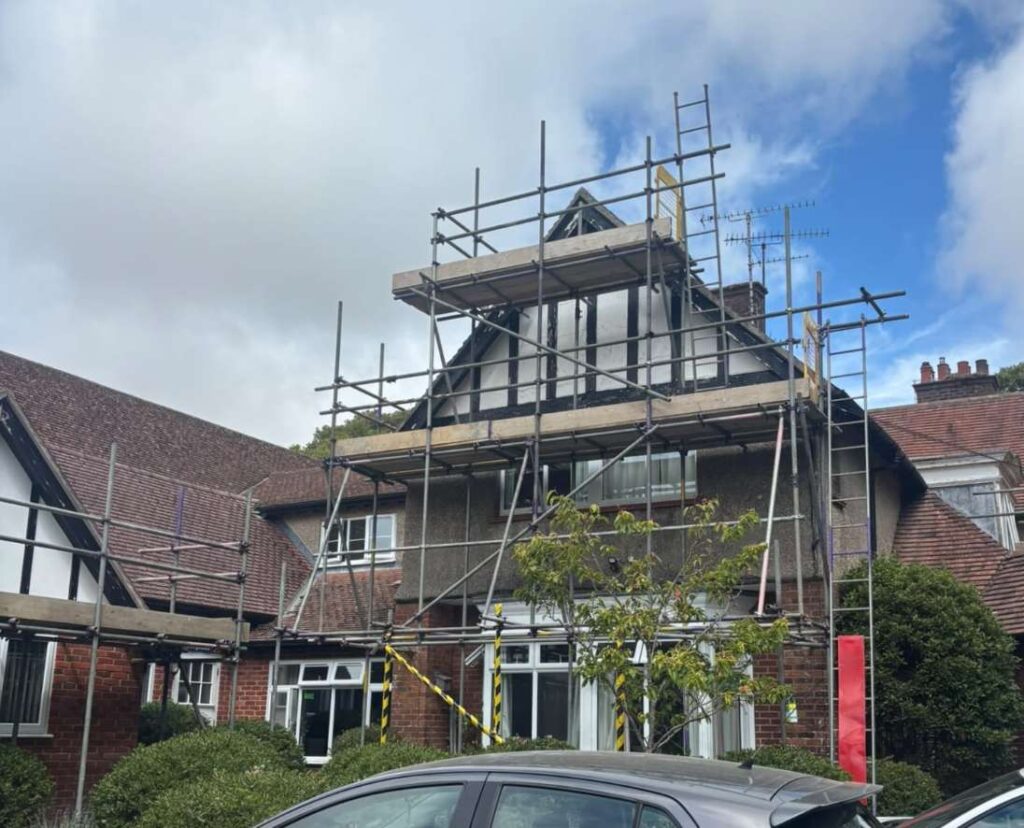
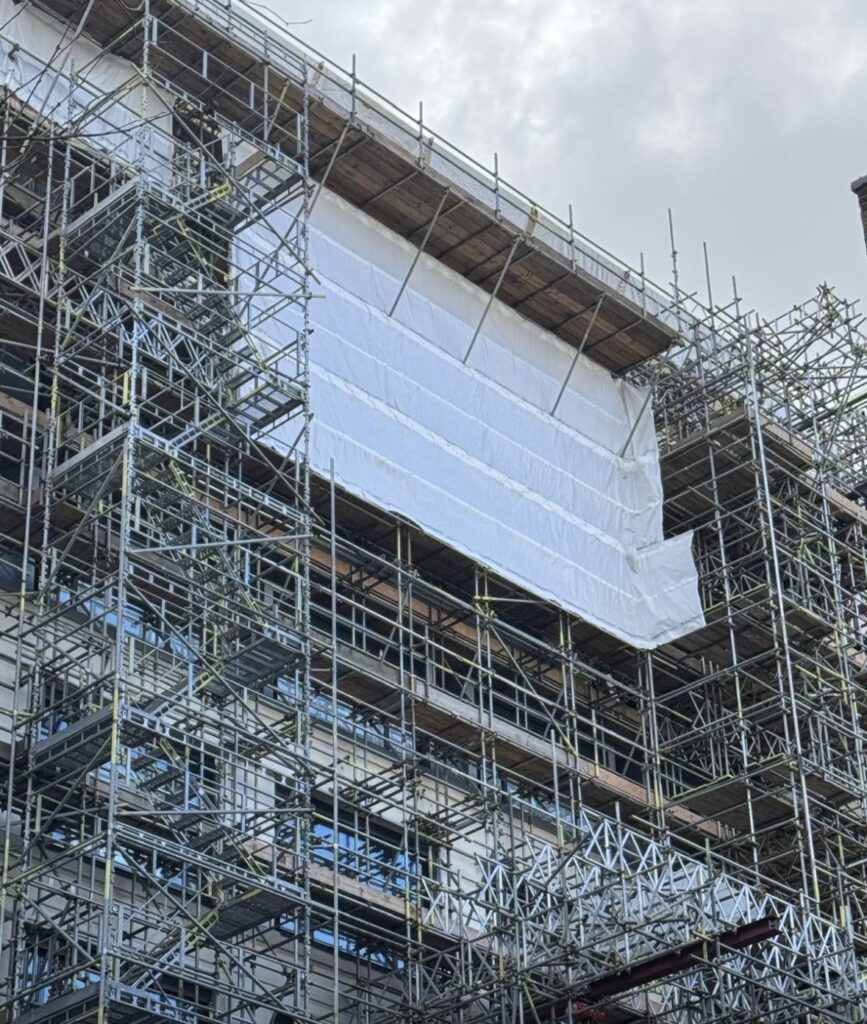
If you are trying to understand scaffolding costs in 2026, the first thing to know is that prices can vary significantly depending on the type of project, site conditions and access requirements. There is no true one-size-fits-all figure, particularly on commercial and industrial sites where complexity quickly changes the scope of work. What might look straightforward on paper can involve detailed planning once a full site review takes place.
At 3SC Group Scaffolding, we support projects across a wide range of live construction and maintenance environments, and we see firsthand how different factors influence pricing. From small commercial elevations to complex temporary roof systems, the final cost depends on the required structure, the duration of hire, and the site’s logistical demands.
Here you can learn what you can realistically expect to pay for scaffold hire in 2026, what drives the price, and how commercial projects differ from domestic work. Our aim is to give you a clear, experience-led overview so you can plan your project with confidence.
Average Scaffolding Costs in the UK (2026 Overview)
The table below shows typical scaffolding price ranges across the UK in 2026. These figures reflect current market conditions based on commercial work we regularly see on site.
| Scaffold Type | Typical UK Cost Range (2026) |
| Basic independent scaffold | £18–£35 per metre |
| Commercial scaffold elevation | £2,500–£8,000+ |
| Scaffold tower hire | £250–£750 per week |
| Temporary roof scaffolding | £35–£90 per m² |
| Birdcage scaffold | £8–£25 per m² |
| Loading bay/gantry | £300–£1,200 per lift |
It is important to treat these figures as realistic guides rather than fixed prices. From our experience on commercial sites, two projects that appear similar at first glance can price very differently once access, height and programme demands are fully understood.
In live construction environments, additional planning requirements, inspections and safety controls often increase the scope compared with basic residential scaffolding. That is why professional site assessment remains essential before any firm quotation is issued.
Key Factors That Affect Scaffolding Costs
Understanding what drives scaffold pricing helps avoid surprises later in the project. Below are the main elements that influence costs across UK commercial work.
Height and number of lifts
Height is one of the biggest cost drivers. The higher the structure, the more materials, labour time and safety controls are required. Multi-lift scaffolds also require additional ties, guardrails and access provisions.
On commercial projects, we often see costs rise quickly once buildings exceed three storeys. Extra lift heights also increase inspection requirements and build complexity, which must be factored into the overall programme.
Building size and frontage
The building’s overall footprint directly impacts scaffold costs. A long commercial elevation requires significantly more materials and labour than a short frontage.
From our scaffold teams’ perspective, large warehouse or office elevations can quickly expand metreage, particularly where full perimeter access is required. The wider the working area, the greater the material volume and installation time.
Site access and logistics
Restricted access can increase costs more than many clients expect. Narrow roads, limited loading zones or congested city-centre sites often require phased deliveries or smaller vehicle movements.
In busy commercial environments, careful traffic management and material handling plans are often needed. These logistical pressures can add time to both the erection and dismantling phases, which influences the final quotation.
Duration of hire
Hire length plays a significant role in overall scaffold costs. Most projects include an agreed hire period, with additional weekly charges applied if the scaffold remains in place longer than planned.
On live construction programmes, delays in follow-on trades can extend hire periods. From our experience, having a realistic programme from the outset helps avoid unnecessary extension charges.
Design complexity
Not all scaffolds are straightforward independent structures. Complex designs such as cantilever scaffolds, temporary roofs or bridging sections require additional engineering and labour input.
Where bespoke designs are needed, there is typically more planning time, more specialist components and closer site supervision. These factors all contribute to the final project cost.
Location within the UK
Geographical location still affects scaffold pricing in 2026. Labour rates, transport distances and regional demand all play a part.
Projects in high-demand commercial areas or busy urban zones may incur higher costs than straightforward sites in less congested locations. However, site complexity usually has a greater impact than postcode alone.
Commercial Scaffolding Costs vs Domestic Projects
One of the most common misunderstandings we see is the assumption that commercial scaffolding prices follow the same pattern as domestic work. In reality, commercial projects involve a very different level of planning, compliance and site management.
Domestic scaffolding often focuses on basic access for short-duration works. Commercial scaffolding, by contrast, must operate safely in live construction environments where multiple trades work simultaneously.
Key differences include:
- Commercial scaffolds require full risk assessments and method statements
- Regular statutory inspections are mandatory on live sites
- Load calculations must support multiple working trades
- Access routes must integrate with site traffic management
- Designs often require bespoke engineering input
- Programme coordination is far more critical
Because of these factors, commercial scaffolding costs are typically higher but reflect the increased safety and planning requirements. From our experience, investing in a properly designed scaffold at the outset helps prevent delays and rework later in the build.
Typical Scaffolding Price Examples (Realistic Scenarios)
To give a clearer context, below are realistic UK project examples based on commercial work we regularly support.
Small commercial unit frontage
Typical cost range: £1,200–£2,500
This usually covers a single elevation scaffold for external maintenance or light refurbishment. Costs remain moderate where access is straightforward and the hire period is short.
Prices increase if pavement licences, restricted access or extended hire periods are involved.
Three-storey office building
Typical cost range: £4,000–£9,000+
Multi-storey office scaffolds require additional lifts, ties and safety provisions. From our experience on commercial sites, careful lift planning and access control become more important at this height.
Programme duration often influences the final cost.
Warehouse maintenance project
Typical cost range: £6,000–£15,000+
Warehouse scaffolding often involves large elevations or internal access structures. Wide spans and high rooflines increase material quantities and labour time.
Live industrial environments may also require phased working, which can affect pricing.
Temporary roof installation
Typical cost range: £8,000–£30,000+
Temporary roof scaffolding is one of the more complex systems we install. Costs depend heavily on span width, height and duration.
Weather protection projects require detailed design work and additional materials, which explains the higher investment.
Typical cost range: £2,500–£10,000
Birdcage scaffolds are common in commercial interiors such as atriums and large retail units. Pricing depends on floor area, working height and access constraints.
Large open-plan spaces typically increase material volumes quickly.
How to Reduce Scaffolding Costs Without Cutting Corners
While scaffolding is a safety-critical service, there are sensible ways to keep costs under control.
- Book early, where possible, to secure programme availability.
- Provide accurate drawings to reduce design revisions.
- Ensure clear site access for delivery vehicles.
- Coordinate trades to avoid unnecessary scaffold alterations.
- Agree on realistic hire durations from the outset.
- Plan pavement licences in advance if required.
- Avoid last-minute design changes where possible.
- Maintain good site communication throughout the project.
From our experience, the most cost-effective projects are those that are well planned from the beginning.
Hidden Costs Clients Often Miss
Even experienced contractors sometimes overlook secondary costs associated with scaffolding.
Pavement licences can add both time and expense where scaffolds encroach onto public highways. Local authority approval must usually be secured before installation.
Extended hire periods are another common issue. If follow-on trades run behind programme, weekly hire charges can accumulate quickly.
Out-of-hours work may also apply on restricted commercial sites. Where night or weekend working is required, labour costs can increase.
Design revisions can affect pricing, too. Late changes to the scaffold layout often require additional materials and labour adjustments.
Ground conditions are another factor. Uneven or unsuitable ground sometimes requires extra base support or design changes.
Being aware of these elements early helps maintain better budget control.
Why Choosing the Cheapest Scaffold Quote Can Cost More
Price is always an important consideration, but in our experience, the lowest quote is not always the most cost-effective option. Poorly planned scaffolding can introduce programme delays, safety concerns and costly site disruption.
On commercial projects, inadequate design or insufficient supervision can lead to failed inspections or enforced modifications. These situations often cost more to correct than investing in a properly specified scaffold from the start.
Reliable contractors focus on safe design, structured installation and ongoing inspection. While this may not always produce the lowest initial figure, it usually delivers better value across the full project lifecycle.
Scaffolding Costs in 2026 — Our Expert View
Looking ahead through 2026, scaffolding costs across the UK continue to reflect a combination of labour pressures, material pricing and strong commercial demand. From what we are seeing on current projects, well-planned scaffolding remains essential for keeping construction programmes moving safely.
Material costs have stabilised compared with previous years, but skilled labour and compliance requirements remain significant contributors to overall pricing. Commercial clients are also placing greater emphasis on safety documentation, inspections and integrated access planning.
Our view is that early contractor engagement will remain one of the best ways to manage scaffold costs effectively. Projects that involve scaffold specialists during the planning phase consistently achieve smoother installations and fewer programme disruptions.
Get a Scaffolding Quote from 3SC Group Scaffolding
If you are planning a commercial or industrial project and need clear guidance on scaffolding costs in 2026, our team at 3SC Group Scaffolding is ready to help. We provide structured, experience-led quotations based on real site conditions rather than rough estimates.
We support projects across the South and surrounding areas, delivering safe, fully compliant scaffold solutions for contractors who value reliability and professional site management. Contact us today for a free, no-obligation quote and practical advice tailored to your project requirements.